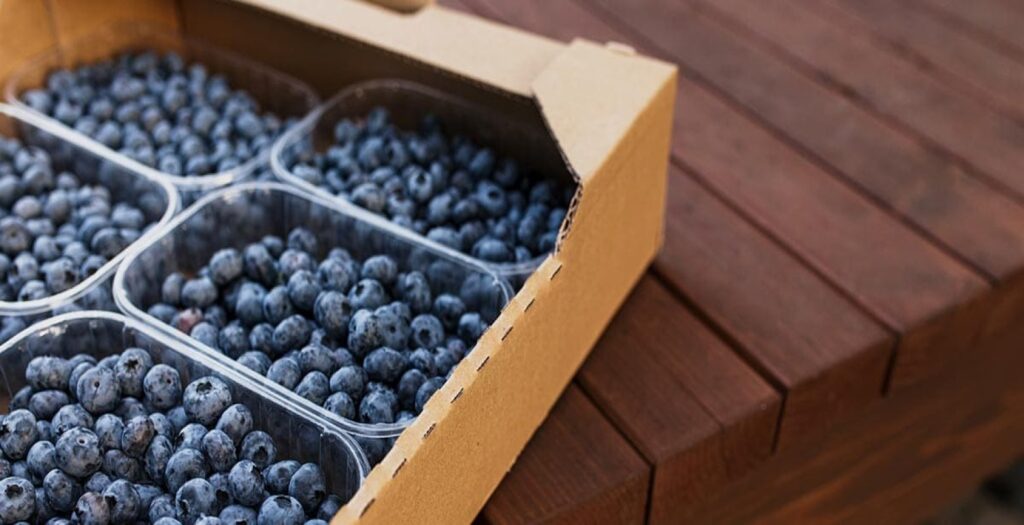

The Role of Berry Packaging in Product Protection and Distribution
Berry packaging affects freshness, airflow, handling stability, and retail presentation across agricultural supply chains. Weak structural support, inconsistent ventilation, or poor moisture control can increase bruising, spoilage, and product rejection during transit. Ontario growers often evaluate packaging systems based on durability, cooling performance, sustainability goals, and procurement consistency.
Structured berry packaging systems help improve handling efficiency while supporting freshness throughout storage and transportation.
1. Assess Sustainable Material Performance for Berry Packaging
Material selection influences pack strength, moisture resistance, and recovery expectations after use. Many growing operations are shifting toward recyclable and compostable formats to support environmental goals and retailer requirements. Packaging performance still depends on structural durability under chilled and high-moisture conditions.
Material Evaluation Factors
Moulded fibre, paperboard, and compostable fibre formats should be reviewed for:
- Moisture tolerance
- Structural stiffness
- Print compatibility
- Closure stability
- Resistance to wall deformation
Berry packaging samples should also be tested after chilled handling to evaluate stacking strength and overall presentation.
2. Improve Ventilation Performance in Berry Packaging Supplies
Ventilation design directly affects cooling consistency, condensation control, and airflow circulation inside berry packaging supplies. Different berry varieties release moisture at different rates, making airflow customization important for maintaining freshness.
Ventilation and Airflow Design
Vent placement, tray depth, and lid fit all influence airflow movement throughout the package. Proper ventilation helps reduce trapped moisture while supporting stable cooling conditions during transportation and storage.
Packaging reviews should evaluate:
- Airflow consistency
- Vent alignment
- Cooling efficiency
- Lid fit accuracy
3. Integrate Moisture Control Features to Support Freshness
Moisture accumulation can affect product appearance, packaging stability, and the risk of spoilage. Moisture-control components help manage free liquid under refrigerated handling and retail display conditions.
Moisture Control Specifications
Absorbent inserts and moisture-management materials should support:
- Surface dryness
- Stable tray placement
- Consistent airflow
- Compatibility with compostable trays
Packaging components should remain secure and not shift during handling and transport.
4. Review Compliance Standards with a Berry Packaging Company
A berry packaging company should support both packaging production and documentation requirements. Compliance gaps can delay distribution and create procurement challenges for agricultural operations.
Reviewing Certification and Traceability Processes
Packaging suppliers should provide documented quality and traceability systems aligned with agricultural distribution requirements. Procurement reviews may include:
- Certification scope
- Material traceability
- Change-control procedures
- Audit readiness
Documentation should remain accurate and consistent throughout production cycles.
5. Strengthen Structural Performance in Berry Packaging
Structural performance affects stacking stability, cooling airflow, and handling durability during transportation. Packaging systems should balance protection with airflow efficiency.
Structural Evaluation Factors
Packaging specifications should consider:
- Tray depth
- Vent placement
- Crush resistance
- Stack stability
- Pallet alignment
Weak corners, unstable nesting, or blocked vents may increase the risk of handling issues during transit.
6. Build a Long-Term Berry Packaging Strategy
Berry packaging decisions often involve more than just material selection. Ventilation, moisture control, compliance support, structural performance, and supplier reliability all contribute to operational consistency.
Evaluating Supplier Capabilities
Suppliers should demonstrate experience with:
- Berry packaging supplies
- Custom tray formats
- Corrugated packaging systems
- Digital and flexographic printing
- Bulk production support
Operational scalability and documentation consistency are also important for recurring agricultural supply programs.
Supporting Long-Term Packaging Performance
Ontario growers often review packaging partners based on responsiveness, production reliability, sampling support, and handling knowledge. Structured berry packaging companies have systems that help support freshness, transportation efficiency, and retail presentation across recurring distribution cycles.
Contact Coleman Containers for berry packaging solutions that enhance handling performance, airflow consistency, and operational reliability.