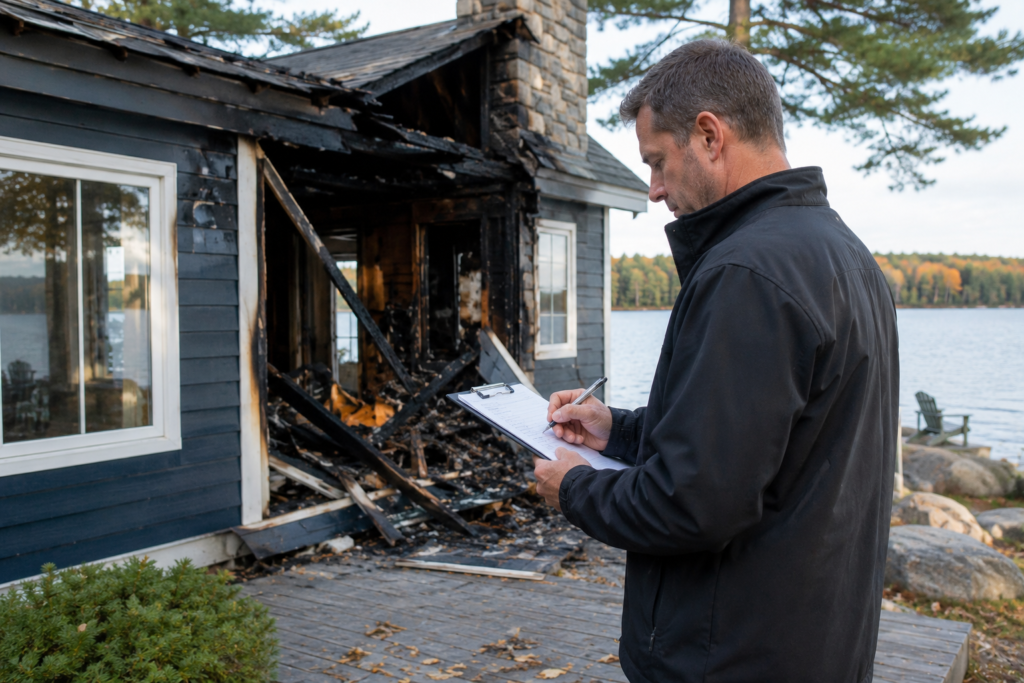

Owning a cottage provides relaxation, privacy, and a valuable property investment. However, protecting that property requires careful insurance planning. Many cottage owners assume their policy will cover all types of damage. Unfortunately, certain situations may lead to a claim denial.
Policies for cottage insurance in Ontario often include specific rules about maintenance, occupancy, and property usage. If these conditions are not met, insurers may refuse a claim. Consulting experienced cottage insurance brokers in Ontario can help identify potential coverage gaps and ensure the policy reflects the property’s unique risks.
Below are seven common reasons claims are denied and what cottage owners should keep in mind when reviewing their coverage.
1. Extended Vacancy Periods
Cottages are often vacant during certain seasons. Insurance providers typically require periodic inspections when a property is unoccupied for long periods.
If a cottage remains vacant without regular checks, damage such as leaks or electrical issues may go unnoticed. When insurers determine that required inspections were not completed, the claim may be denied. The best cottage insurance in Ontario policies usually outline clear vacancy rules to help prevent these situations.
2. Lack Of Proper Property Maintenance
Insurance policies usually cover sudden and unexpected damage. However, damage caused by neglect is rarely covered.
Examples of maintenance-related claim denials include:
- Roof damage caused by long-term deterioration
- Mold growth due to unresolved moisture problems
- Structural issues from ignored repairs
Routine maintenance protects both the property and the validity of the insurance policy.
3. Damage From Uninsured Risks
Not every risk is automatically included in a standard cottage insurance policy. Some hazards require additional endorsements or specialized coverage.
Common uninsured risks may include flooding, sewer backup, or certain weather-related events. Cottage owners who want broader protection often explore additional coverage options. Many property owners rely on cottage insurance brokers in Ontario to identify these risks and recommend appropriate policy extensions.
4. Unauthorized Short-Term Rentals
Some cottage owners rent their property during vacation seasons. However, rental use can affect insurance coverage.
Many policies require owners to disclose rental activity. If the property is used as a short-term rental without informing the insurer, claims related to tenant damage or liability may be denied. Reviewing policy terms before renting helps prevent unexpected coverage issues.
5. Incorrect Property Information On The Policy
Insurance coverage is based on the details provided when the policy is created. Incorrect or outdated information can lead to claim complications.
For example, inaccurate details about property value, renovations, or building materials may affect how the insurer evaluates risk. Keeping policy information updated ensures that coverage reflects the true characteristics of the cottage.
6. Security And Safety Requirements Not Met
Insurance policies may include safety requirements designed to reduce risk. These conditions might involve maintaining smoke detectors, alarm systems, or secure locks.
Failure to follow these requirements may lead to claim rejection, especially if the damage could have been prevented by proper safety measures.
Examples include:
- Missing smoke detectors leading to fire damage complications
- Broken locks contributing to theft claims
- Disabled alarm systems increasing property risk
Meeting these safety expectations helps maintain valid coverage.
7. Delayed Claim Reporting
Insurance providers usually require claims to be reported quickly after an incident occurs. Waiting too long may make it difficult for insurers to investigate the cause of the damage.
Delayed reporting can result in insufficient documentation or difficulty confirming how the damage happened. Prompt communication with the insurer helps ensure claims are processed efficiently.
Protecting Your Cottage With The Right Coverage
Cottage properties often face unique risks, including seasonal occupancy, weather exposure, and remote locations. Reviewing insurance coverage regularly helps ensure the policy reflects the property’s current conditions and usage.
Working with experienced advisors can simplify the process of finding appropriate protection. Cottage insurance in Ontario policies should be tailored to the property’s structure, location, and seasonal usage patterns.
Chapman Insurance Team provides personalized guidance to help property owners compare coverage options and select policies suited to their needs.
Contact Chapman Insurance Team today to explore reliable Cottage insurance in Ontario and secure protection for your seasonal property.